

What is a Niche Community?
As a creator, you need a niche. Your niche community is your area of expertise. It’s specific knowledge for a targeted audience, and it offers them something they can’t find anywhere else.
In the context of social communities, a niche is a specific topic or interest that a group of people are passionate about. Instead of trying to appeal to everyone, focusing on a niche allows you to cater to a dedicated audience who share common interests, making your community more engaging and valuable.
Finding your Niche Community – How to connect with your like-minded people
Step 1: Embrace Your Passions
Start with What You Love
What gets you excited? What are you passionate about? What hobbies or topics do you naturally gravitate towards? Your niche should align with your interests and expertise because genuine enthusiasm attracts like-minded individuals. It should be something that makes you want to jump out of bed in the morning. Take some time to list down all your interests and passions. These could range from vintage cars to eco-friendly living. The more specific, the better.
Assess Your Skills
What unique expertise do you bring to the table? Whether you’re a yoga guru, a coding whiz, or a DIY craft master, your skills can guide you to a niche where you can truly shine. Combining your skills with your passions will help you create content that resonates deeply with your audience.
Step 2: Discover Your Unique Expertise
Research Market demand
Passion is great, but you also need an audience. Use tools like Google Trends, social media hashtags, and keyword planners to see if there’s a demand for your niche. Check out forums, join related groups on social media, and see what people are talking about. Think about what do you know that people are interested in? The knowledge or skills you have that others might find valuable. Is there a topic you’re passionate about or an area where you’re considered an expert? This could be anything from a hobby you’ve mastered to professional expertise. Identifying what you know that others are interested in can help you carve out a niche that’s both engaging and marketable.
Survey Your Potential Tribe
Ask your current followers or friends what they’re interested in. Simple polls on social media can yield golden insights. Engaging directly with your audience allows you to understand their needs and preferences better.
Step 3: Identify Your Target Audience
Create Your Audience Persona

Imagine your ideal community member. What are their interests, challenges, and goals? The clearer the picture, the better you can serve them. For example, if your niche is eco-friendly living, your ideal audience might be young adults who are passionate about sustainability and looking for practical ways to reduce their carbon footprint.
Understand Their Pain Points
What problems are they facing that you can solve? This is where you can make a real impact and become indispensable to your community.
Step 4: Think about a Product Around Your Niche
Once you’ve identified your niche and audience, the next step is to consider how to turn it into a tangible product or service. To make your niche more targeted, consider combining what you love with what you’re knowledgeable about. This intersection could lead to creating a unique product like an online course that shares your expertise with a digital product like an ebook or template.
Consider the unique needs and interests of your target audience—what would truly add value to their lives? Building a product around your niche not only helps you monetize your passion but also establishes you as an authority in your field. The more specific your niche, the easier it will be to market and sell your business effectively.
Step 5: Test the Waters
Start Small and Simple
Launch a mini version of your community niche. This could be a Facebook group, a small blog, or even a weekly newsletter. See how people respond and gather feedback. For example, create an Instagram page with “Healthy Eating Hacks” and gauge interest.
Iterate Based on Feedback
Listen to what your early members are saying. Adapt and refine your approach based on their needs and suggestions. Be flexible and willing to pivot if necessary.
Measure Engagement
Track metrics such as likes, comments, shares, and growth rate. Use these insights to improve your content strategy continuously.
Step 6: Build and Nourish Your Niche Community
Content is King (and Queen)

Your content is the heart of your community. Create valuable, unique content that addresses the needs and interests of your target audience. Use various formats—blog posts, videos, podcasts, and social media updates. Engage your audience with polls, questions, and interactive content.
Foster Real Connections
Regularly share valuable, engaging content. Mix it up with videos, infographics, blogs, and interactive posts. Keep things fresh and exciting. For example, host weekly live sessions discussing the latest trends in your niche. Engage with your members personally. Encourage discussions, host Q&A sessions, and make everyone feel heard and valued. Feature member stories or achievements to build a sense of community.
Read more: How to build an online community that your members love
Provide Value
Offer exclusive content, resources, or perks to your community members. This could be anything from downloadable guides to memberships.
Step 7: Grow and Adapt
Scale Up Gradually
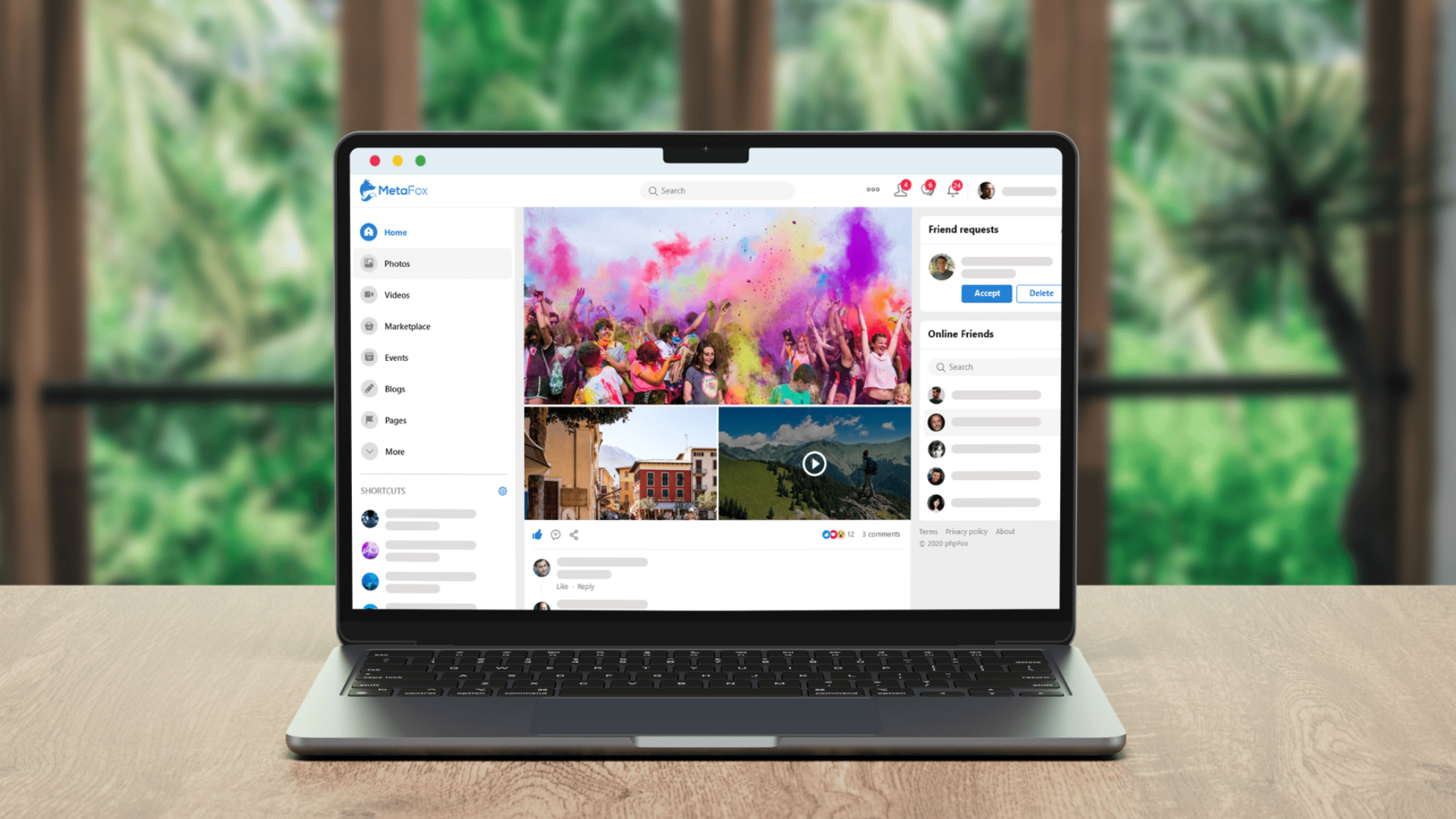
As your community grows, think about adding more features or platforms. Maybe it’s time for a dedicated website, an app, or even meet-ups. Launch a monthly newsletter or a podcast series. Platforms like phpFox are ideal for this, providing comprehensive tools to scale and manage your community effectively. Whether it’s adding new modules, integrating social media, or offering mobile access, phpFox can support your growth every step of the way.
Stay Open to Evolution
Be flexible and ready to pivot as your community’s needs change. Keep an eye on trends and be willing to innovate. Introduce new sub-niches or specialized content as your community evolves.
Continuous Improvement
The digital landscape is always changing. Be prepared to adapt and evolve with new trends, technologies, and member expectations. Keep learning and stay open to new ideas to keep your community vibrant and relevant.
Conclusion
Finding a niche community is a journey that requires passion, research, and adaptability. By following these steps, you can build a thriving, engaged community that stands out in the digital world. And remember, with tools like phpFox, scaling and managing your community becomes a seamless process, allowing you to focus on what truly matters—connecting with your members.
You’ve got the passion, the skills, and now, the plan. Go out there and create a community that’s not just successful but also meaningful and fun. Ready to start? Join our community of budding social media gurus for more tips and support.