When evaluating social networking platforms, CTOs and technical leaders often prioritize immediate control: full access to source code, predictable licensing costs, and complete data sovereignty. These considerations are important—but they describe only the starting point. The real determinant of long-term success lies elsewhere: Can the platform continue to adapt as security standards evolve, user expectations shift, and technical requirements change over the next three to five years?
When Static Architecture Becomes a Growth Constraint
Purchasing a closed platform script provides immediate ownership, but creates three specific technical risks:
1. Legacy Framework Dependencies
Platforms built on outdated frameworks quickly accumulate long-term architectural friction. When PHP versions reach end-of-life, security patches stop. Database optimization techniques become incompatible with modern MySQL or PostgreSQL versions. Mobile API patterns built for iOS 12 fail with current iOS requirements.
Business impact: Your development team spends 60-70% of their time maintaining legacy code instead of building features. Security audits identify vulnerabilities with no available patches because the underlying framework is no longer maintained.
2. Single-Vendor Development Bottlenecks
Closed platforms with proprietary architectures create dependency on the original vendor or a small number of specialized developers. When you need to implement OAuth 2.0 authentication, integrate with payment gateways, or optimize database queries, you have two options: wait for the vendor’s development schedule or hire developers to reverse-engineer undocumented code.
Development costs: Standard features that would take 2-3 days with documented frameworks require 2-3 weeks of code analysis first. Emergency security patches can take weeks instead of hours because only one vendor understands the architecture.
3. Technical Isolation
When your platform uses a proprietary framework, you cannot leverage standard developer tools, security libraries, or performance optimization techniques. Your team must reinvent solutions that are standard implementations in popular frameworks like Laravel or Django.
Why Laravel and React Architecture Matters
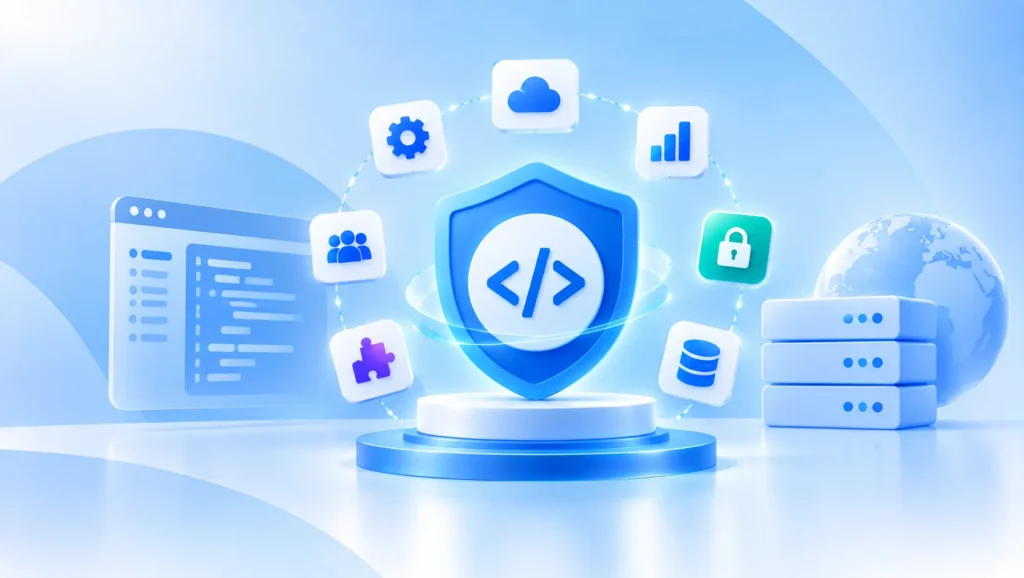
By building on Laravel for the backend and React/React Native for the frontend, phpFox minimizes architectural constraints common in closed or legacy platforms. These are intentional infrastructure decisions that prioritize maintainability, extensibility, and long-term platform viability.
? The speed of your innovation is directly tied to the strength of your foundation. Discover how our next-generation architecture enables this rapid growth: phpFox version 5 (Metafox) Framework: Revolutionizing Web Development with Flexibility and Scalability
Global Developer Availability
Laravel is the most widely used PHP framework globally, with over 2 million developers. React has approximately 13 million developers worldwide. When you need to scale your development team, hire contractors for specific features, or bring in security experts for audits, you can recruit from this global talent pool.
Hiring efficiency: Standard Laravel/React developers can start contributing to your codebase within days instead of weeks because they already understand the framework patterns, documentation, and tooling.
API-First Architecture
phpFox separates frontend and backend through RESTful APIs. This architectural pattern provides two specific advantages:
• Independent frontend development: Your design team can rebuild the entire user interface without modifying backend business logic. You can create custom mobile apps, progressive web apps, or white-label themes that consume the same API endpoints.
• Safe customization: API contracts define clear boundaries. Your developers can add features without risking core platform stability because modifications happen at the integration layer, not within system-critical code.
No Vendor Lock-In
Because phpFox uses standard frameworks, you are never dependent on phpFox for development. If you need emergency database optimization at 2 AM, any Laravel database expert can help. If you want to integrate a third-party recommendation engine, standard React integration patterns apply.
This is the difference between vendor independence and vendor lock-in. You own the code, and you can hire anyone in the global developer market to work with it.
The AppStore Advantage: Avoiding Custom Development Costs
Time-to-market determines competitive advantage. Building features from scratch when tested solutions already exist wastes development budget and delays revenue generation.
Production-Ready Modules
The phpFox AppStore provides pre-built modules that would otherwise require weeks or months of custom development:
• E-commerce functionality: Full marketplace implementation with product listings, shopping carts, payment processing, and order management. Estimated custom development cost: $15,000-25,000.
• Subscription billing: Recurring payment management with multiple payment gateway integrations (Stripe, PayPal, authorize.net). Includes automatic billing, proration, and subscription tier management. Estimated custom development cost: $12,000-18,000.
• Live streaming: Real-time video broadcasting with chat integration, viewer analytics, and monetization options. Estimated custom development cost: $25,000-40,000.
• ChatPlus: Real-time messaging with file sharing, group conversations, and message history. Estimated custom development cost: $8,000-15,000.
Community-Driven Innovation
The phpFox developer community (Fox Experts) continuously releases new modules and updates. When industry trends shift or new integration requirements emerge, community developers often build solutions before you would have time to spec internal development.
Cost advantage: Instead of maintaining a large in-house development team for all feature categories, you can allocate your team to core business logic and competitive differentiation while leveraging community-developed modules for standard functionality.
? The ecosystem never stands still. See the latest tools we’ve built to help you dominate your niche: phpFox Q1 2025 App Release: Unleashing Powerful New App
Migration Strategy: Moving from Static Code to Sustainable Infrastructure
If your current platform is built on legacy code or a closed architecture, here is the technical migration path:
1. Architecture Assessment
Audit your current codebase for:
• Framework dependencies and their current support status
• Security vulnerabilities from automated scanning tools
• Performance bottlenecks under load testing
• Custom modifications that need to be preserved or rebuilt
2. Data Migration Planning
phpFox provides migration tools for transferring:
• User accounts and authentication data
• Content (posts, media, comments)
• Relationship data (connections, follows, groups)
• Transactional data for e-commerce or subscription platforms
3. Infrastructure Deployment
Deploy phpFox on optimized hosting infrastructure:
• Laravel-optimized server configuration: Nginx or Apache with PHP-FPM, OPcache enabled, proper memory limits
• Database optimization: PostgreSQL or MySQL with proper indexing, connection pooling, and query caching
• CDN integration: Media delivery optimization for images, videos, and static assets
? Ready to escape technical isolation? If you are currently stuck with a legacy platform, discover how we make the transition seamless: Introducing SE Importer – Migrate from Social Engine to phpFox Stress-Free
Conclusion
Building a social platform on closed or legacy code creates constraints compound over time, making every future upgrade slower, riskier, and more expensive. Security vulnerabilities emerge faster than patches become available. Development costs increase as fewer developers can work with proprietary architectures. Feature development slows because every change risk system stability.
phpFox addresses these risks through modern architecture (Laravel + React), transparent source code, and an active ecosystem of developers and pre-built modules. This approach provides both immediate control over your codebase and long-term sustainability through access to global development talent and community innovation.
The decision is not just about owning code—it’s about ensuring your platform can adapt to security requirements, user expectations, and technical standards 3-5 years from now. That requires an ecosystem, not just a codebase.
phpFox: Build on Code, Grow with Ecosystem.